Seagrass
GreenPolicy360: In our 'Living Coastline' project, we address the importance of protecting and preserving local/regional 'Living Earth' environments, such as Florida's peninsula and vast Gulf and Atlantic coastal and inter-coastal waterways, bays, inlets, estuaries and aquifer, rivers and mangroves, wildlife and human communities.

Ecosystems such as seagrass should no longer be ignored
- http://ensia.com/notable/threatened-ecosystem-seagrass/
- https://ask.ifas.ufl.edu/publication/sg138
- https://www.frontiersin.org/journals/marine-science/articles/10.3389/fmars.2021.789818/full
Florida’s estuaries are impacted by sea-level rise and altered river flow, both caused by climate change.
The resulting higher salinity, saltiness of the water, causes harm to plants and animals, alters fish and bird habitats, and reduces the capacity of estuaries...
Seagrass environments provide a spectrum of benefits, including sequestering millions of metric tons of carbon each year, protecting shorelines, providing nurseries for marine life, contributing to global food security, supporting biodiversity, keeping ocean waters clean, habitable, and an overall productive natural resource...
Estuaries and Seagrass
The Benefits of Seagrass to Bays and Estuaries
Seagrass meadows are a critical component of coastal ecosystems. Protecting and preserving seagrass meadows is essential for maintaining the health and resilience of coastal ecosystems and the communities that depend on their economic, health, and cultural benefits.
Seagrass meadows are one of the most important coastal ecosystems in the United States (and across Planet Earth}. Found in estuaries, bays, and shallow coastal waters from the Gulf of Mexico to the Atlantic and Pacific Oceans, these critical ecosystems face grave threats due to sea level rise and water quality impairments.
1. Seagrass meadows act as a natural barrier against erosion by reducing the force of waves and currents. Their extensive root system stabilizes sediment, reducing the impact of waves and currents, and preventing shoreline erosion. Seagrass meadows can also act as a buffer zone during storms, reducing the impact of storm surges on coastal communities.
2. Seagrass removes excess nutrients from the water
Seagrass meadows are known for their ability to absorb and remove excess nutrients from the water. Nutrient pollution is a major problem in many coastal areas in the United States, leading to harmful algal blooms and dead zones.
Seagrass meadows act as a natural filter, removing excess nutrients from the water and improving water quality. They absorb nitrogen and phosphorus from the water, reducing the likelihood of harmful algal blooms and improving the overall health of estuaries and bays.
3. Seagrass provides habitat for fish and shellfish
Seagrass meadows provide essential habitat for fish and shellfish, including commercially important species like shrimp and blue crabs. They provide a safe refuge for juvenile fish, protecting them from predators and providing food and shelter. Seagrass meadows also support a diverse community of invertebrates, which are an important food source for many fish and birds.
4. Seagrass stabilizes sediment and reduces turbidity
Seagrass meadows play a crucial role in stabilizing sediment and reducing turbidity in estuaries and bays. The extensive root system of seagrass stabilizes sediment, reducing the impact of waves and currents and preventing sediment from being stirred up and causing turbidity. This is important for many reasons, including improving water clarity and allowing more sunlight to reach the bottom, which is essential for the growth of seagrass and other underwater plants.
5. Seagrass sequesters and stores carbon
Seagrasses and other blue carbon ecosystems are incredibly efficient at sequestering and storing carbon in the earth, potentially lessening the effects of climate change. In 2021, Dr. Stacy Baez joined a RAE webinar to further explain the benefits of seagrass in the fight against climate change; you can watch a recording of her presentation below:
In Florida ... and Across Coastal Regions of the World
- Coastal Environments Are Essential for Protecting
Living Shorelines, Natural Defenses, Smart Design
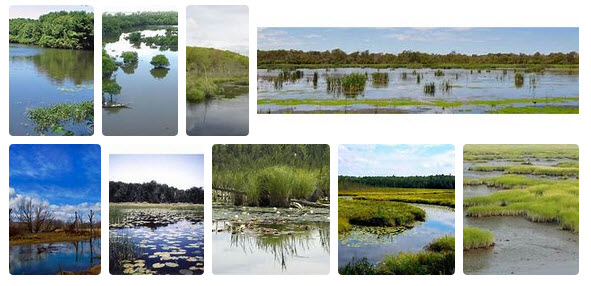


- Visit Sea-Level Rise @GreenPolicy360
🌎
- Atmospheric Science
- Biodiversity
- Biogeosciences
- Citizen Science
- Climate Change
- Climate Policy
- Earth Observations
- Earth Science
- Earth360
- Ecology Studies
- Ecoregions
- Environmental Security
- Extinction
- Fisheries
- Florida
- Microbiology
- Microorganism
- Natural Resources
- Oceans
- Ocean Ecosystem
- Ocean Science
- Ocean Sustainability
- Planet Citizen
- Planet Scientist
- Planet Citizens, Planet Scientists
- Sea-level Rise
- Whole Earth
- Zoology